Cold-Water Detergent Troubleshooting: Industrial Cold-Active Enzymes
When a cold-water detergent works in the lab but not in the wash: dose, pH, compatibility and QC checks for detergent makers, and how to shortlist a cold-active enzyme system.
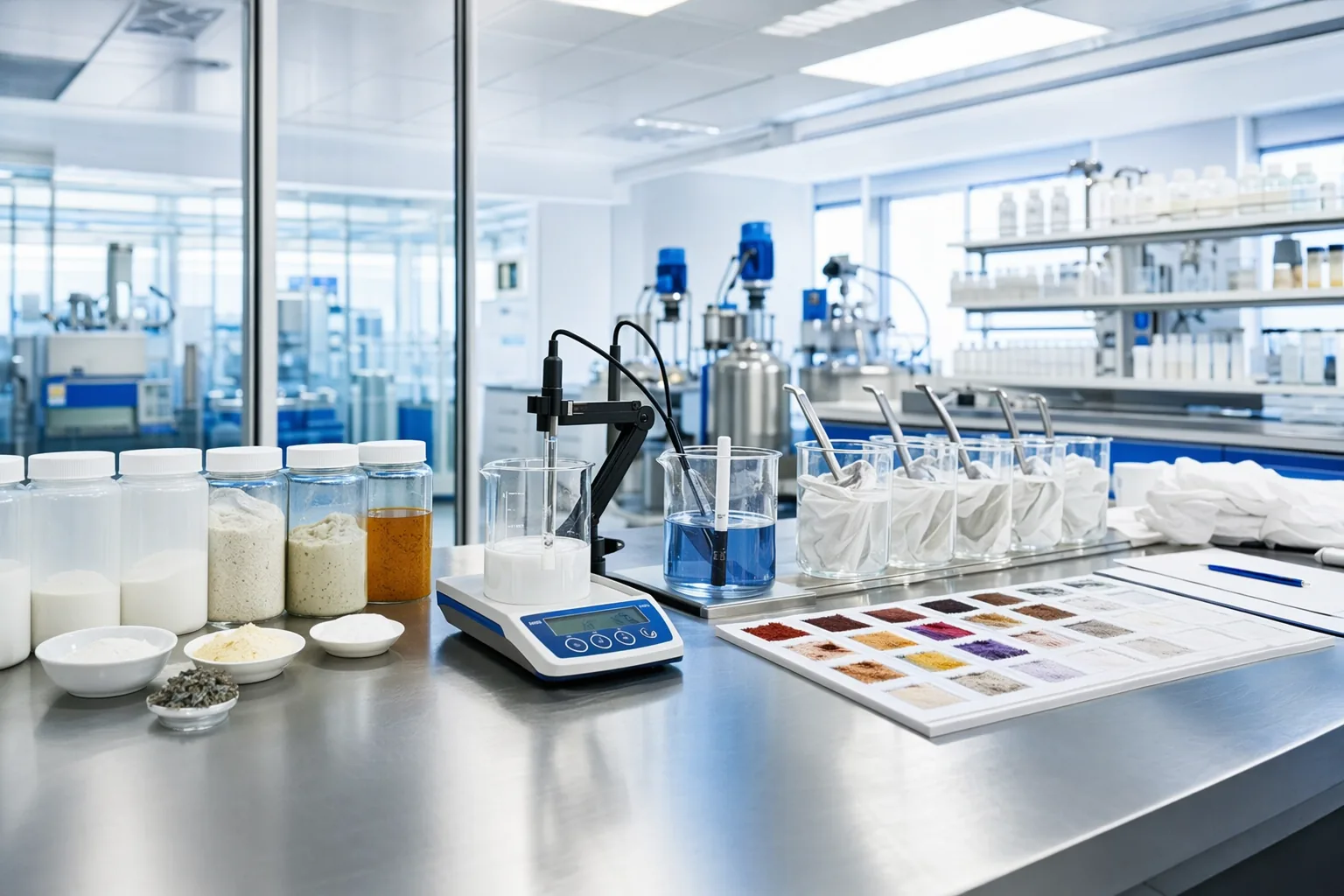
A cold-water detergent that passes in the lab and disappoints in the wash usually has an enzyme problem: wrong dose, a formula that strips activity in storage, or a test that never matched real wash conditions. This page is for detergent manufacturers and private-label brands troubleshooting cold-wash performance and shortlisting a cold-active enzyme system.
FastEnzyme supplies a cold-active protease, lipase and amylase system (optimal pH 8.0–11.0, 15°C–60°C, 50,000–100,000 U/g). Request a quote with the product, quantity and destination.
Where cold-water detergents lose performance
A cold-active enzyme is chosen to keep useful catalytic activity at lower wash temperatures, where standard detergent enzymes slow down. The practical target is reliable stain removal in the finished formula, through storage, dilution, wash liquor chemistry and use, not maximum activity in a lab assay. Proteases, amylases and lipases each address different soils, and their performance depends on surfactants, builders, chelants, bleach systems, preservatives and pH. Test enzymes in the real base formulation rather than in buffer alone, and define temperature, wash time, water hardness, fabric type and stain panel before dose optimization begins.
Screen at the cold-wash temperatures you claim • This product's optimal window: pH 8.0–11.0, 15°C–60°C • Evaluate both cleaning lift and enzyme stability after storage
Dosage troubleshooting for performance and cost-in-use
Optimize dose by activity contribution, not by product weight. Enzyme preparations differ in activity units, carrier, moisture, granulation and liquid stabilization, so the same inclusion level from two suppliers is not the same dose. Screen a narrow range first, then refine by stain removal and stability. Overdosing raises cost, odor risk, incompatibility or viscosity drift without matching cleaning gains. Underdosing can look acceptable in warm water but fail in a cold wash. Compare cost-in-use per wash and per stain result, not price per kilogram.
Run dose-response curves at the intended cold-wash temperature • Include no-enzyme and single-enzyme controls • Calculate enzyme cost per tonne of detergent and per consumer dose • Confirm compatibility after accelerated and real-time storage
pH, temperature, and formulation compatibility checks
A cold-active enzyme should be evaluated across the detergent’s operating pH and the wash liquor pH after dilution. A liquid laundry detergent may be formulated near neutral to mildly alkaline pH, while powders can create more alkaline wash conditions. Some cold-active enzymes show strong low-temperature activity but limited tolerance to high pH, oxidants, or long storage in water-rich systems. Others are more stable but less active in a cold wash. Troubleshooting should include pH hold tests, surfactant compatibility, chelant exposure, preservative exposure, and bleach segregation where applicable. For enzyme-containing liquids, stabilization systems such as polyols, calcium salts, borates where legally appropriate, or alternative stabilizers may be evaluated with supplier guidance. Always confirm the supplier’s TDS recommendations against your own matrix.
Screen activity at the wash temperatures you claim. • Check storage at ambient and elevated temperatures. • Measure pH before and after storage. • Avoid assuming buffer activity predicts detergent performance.
QC tests and pilot validation before commercial launch
A cold-water detergent program should move from bench screening to pilot validation before procurement commitments. Start with small-scale stain panels using standardized soils relevant to your market, such as protein, starch, fat, body soil, and guar-based stains. Then evaluate pilot batches for enzyme activity retention, appearance, odor, viscosity, phase stability, sediment, granule integrity, and microbial control where relevant. Finished detergent testing should include wash performance at target dosage, water hardness, wash time, and fabric mix. For powders, verify granule distribution, dust control, and segregation resistance. For liquids, track viscosity and clarity over time. A passing lab result is not enough; pilot batches reveal mixing shear, heat exposure, filling conditions, and packaging interactions that can affect enzyme activity and product quality.
Request COA for lot-specific activity and quality attributes. • Use TDS guidance for handling, dosage, and stability limits. • Review SDS for safe industrial handling and PPE planning. • Retain samples from pilot and first commercial lots.
Supplier qualification for cold-active detergent enzymes
Choosing a cold active enzyme supplier for cold water detergent requires more than asking for a quotation. A qualified supplier should provide consistent lots, transparent activity units, application data, COA, TDS, SDS, recommended storage conditions, and realistic lead times. Ask whether the supplier can support formulation troubleshooting, enzyme blend selection, and side-by-side testing against your existing system. For energy-saving laundry products, the supplier should help demonstrate performance at lower temperatures without making unsupported environmental or cleaning claims. Evaluate sample responsiveness, documentation quality, allergen and dust handling guidance, packaging suitability, and change-control communication. For a cold-wash laundry product, prioritize technical fit and supply reliability over headline activity alone. The best enzyme is the one that performs in your detergent, process, and market economics.
Compare activity, stability, and cost-in-use across suppliers. • Confirm minimum order quantity (25 kg here), shelf life (12 months sealed), and logistics conditions. • Ask for change notification practices for formulation or process changes. • Document supplier approval criteria before scale-up.
To request a quote, send the product, the quantity in kg, the destination country and your detergent format. Prices are quoted per order.
Technical Buying Checklist
A shortlist checklist for cold-active enzyme systems, covering the points carried over from our earlier supplier-comparison and specification pages.
Activity range and the method behind it • Optimal pH and temperature against your formula and wash claims • Physical form (granules or powder) for your process • Compatibility data or a trial plan for your surfactant, builder and bleach system • Retained activity after storage in your base • COA, TDS and SDS for the grade you will buy • Shelf life and storage conditions • Packaging, MOQ, quantity in kg and destination for the quote
Cold-Active Detergent Enzymes for Research & Industry
Need Cold-Active Detergent Enzymes for your lab or production process?
ISO 9001 certified · Food-grade & research-grade · Ships to 80+ countries
Frequently Asked Questions
Which cold-active enzyme does a cold water detergent need?
There is no single best enzyme for every formula. Protease targets protein stains, amylase targets starch and lipase targets fats. The right system depends on pH, surfactants, temperature, stain profile, detergent format and storage conditions. Run side-by-side stain panels and stability tests before selecting a commercial grade.
How should I set the dose of a cold-active enzyme in a cold water detergent?
Start with the supplier's recommended range, then build a dose-response curve in your actual detergent base; activity units vary widely between products. Confirm performance at the intended wash temperature, calculate cost-in-use per wash, and verify stability after storage before fixing the commercial dose.
Why does a cold wash detergent enzyme work in the lab but fail in the product?
Buffer assays can overstate real detergent performance because the finished formula contains surfactants, builders, chelants, fragrance, preservatives, solvents, dyes, and sometimes oxidants. pH, water activity, storage temperature, and processing shear can also reduce activity. Test the enzyme in the actual detergent matrix, then measure activity retention, stain removal, viscosity, appearance, and odor over time.
What documents should a low temperature enzyme supplier provide?
A qualified low temperature enzyme supplier for cold water detergent should provide a COA for lot-specific quality and activity, a TDS with recommended application conditions, and an SDS for safe industrial handling. Additional useful information includes storage guidance, shelf life, activity unit definition, packaging details, allergen or dust precautions, sample availability, and change-control communication practices.
Can cold-active detergent enzymes support energy-saving laundry claims?
They can support lower-temperature washing strategies when validated in the finished detergent, but claims should be based on your own performance and use-condition data. Compare cleaning at cold wash conditions against a relevant control, document wash temperature, dosage, water hardness, and stain panel, and avoid broad environmental or performance claims that are not supported by controlled testing.
Related: Low-Temperature Cleaning with a Cold-Active Enzyme System
Turn This Guide Into a Supplier Brief Contact FastEnzyme to discuss cold-active detergent enzyme samples, documentation, and pilot validation support. See our application page for Cold-Active Detergent Enzymes for Low-Temperature Cleaning at /applications/cold-temperature-enzyme-activity/ for specs, MOQ, and a free 50 g sample.
Contact Us to Contributehello@mail.fastenzyme.com